ElementaryEducation Node
Schoolyard trees give students a place to return to over time. Through sustained observation, children notice seasonal change, identify species, and investigate who cares for shared landscapes.
About this node
Drawing on lived experiences and diverse perspectives, children make meaning together and come to understand ecological care as a shared responsibility. TOUTI's Elementary Education Node documents this student-centered, place-based learning process and the work students create from it.

Tree Protection Club at Spruce Elementary
At Spruce Elementary in Lynnwood, Washington, Dr. Jennie Warmouth has made the trees that share the campus a centerpiece of her classroom teaching for the past ten years. She also leads the Tree Protection Club, an after-school community that extends this work to include student-led advocacy.
One of the club's central projects focuses on Esperanza, the stump left behind after a campus tree was cut down. Her name, Spanish for "hope," reflects how students hold the loss: with grief, curiosity, and care. Students analyze the remaining stump, field materials, archival photographs, and what people remember about the tree to learn more about Esperanza’s species, age, and history. They also survey and audit tree health across campus, extending their care to the trees still standing.

Tree Protection Club
How the club works
Dr. Warmouth designs every element of the club's work in partnership with her students. Outside, students compare bark, leaves, pinecones, pine needles, and branches; examine stumps and tree rings; and map the trees around the school. Back in the classroom, they turn to field guides, books, wood samples, and their own notes to make sense of what they found. They also consult with arborists, architects, campus planning officials, tree ecologists, and community historians, learning from people who study, design, and care for trees in different ways. Science, literacy, communication, social studies, and art are woven throughout their interdisciplinary investigation.
Dr. Warmouth is also compiling the books, Washington State tree guides, and other field materials used by the club.
Spruce Elementary
Tree Protection Club in action
Photos from club meetings show students working outside and in the classroom as they examine trees, record observations, use field materials, and share what they find.


Node curator
Dr. Jennie Warmouth
Dr. Jennie Warmouth is an educator, researcher, curriculum designer, and National Geographic Explorer based in the Pacific Northwest. She curates TOUTI's Elementary Education Node and leads the Tree Protection Club, where students share their work with families, educators, and the wider community through public events such as the Esperanza Speaks exhibition.
Grounded in ecological caring, her work invites students to return to the same tree with a different question each time: What role does it play? What has changed? What story does it hold? How should it be cared for?
Learn more about Jennie
Student investigation
Esperanza
Esperanza is the stump at the center of a student investigation at Spruce. The tree was cut down on campus, and the reason is still uncertain. Students are examining the stump and other evidence to learn more about the tree that once stood there.
Students are working to determine Esperanza’s species and age. Dr. Warmouth plans for them to compare their conclusions with an arborist during a visit.
How students are investigating Esperanza
Start with what is still there.
The stump gives students evidence they can measure, compare, photograph, and revisit as they work through new questions.
01 · Esperanza
Read the stump
Students examine Esperanza’s rings, wood, size, and other visible features, recording details they can compare with field guides and photographs.
02 · Field guides
Work through the identification
Books and Washington State tree guides help students narrow the possibilities and explain which species best fits the evidence they have collected.
03 · Arborist visit
Check the conclusion
The visit will give students a chance to compare their conclusion with a professional assessment and ask what else can be learned from the stump.
04 · October 17
Share the investigation
The investigation will become part of Esperanza Speaks, where students will present their work through art and storytelling.

Saturday, October 17, 2026 · Edmonds, Washington
Esperanza Speaks
Growing Hope Through Art & Action
Esperanza Speaks is the club’s public showcase on October 17, 2026. At Graphite Art Center, students will share art and tree stories, invite visitors to contribute to a community artwork, and collect tree stories for a living community archive.
The event flyer lists Dr. Nalini Nadkarni, poet Rena Priest of the Lhaq’temish Nation, and National Geographic photographer Kiliii Yüyan as special guests.
Student Art Exhibit−
Students will present visual work shaped by their study of trees, human patterns, forest histories, and ecological care.
Storytelling+
Students will share family tree stories in their own words and voices.
Co-Creation+
Visitors will be invited to add to a community artwork and record a tree story for the living archive.
Special Guests+
Dr. Nalini Nadkarni, Rena Priest, and Kiliii Yüyan are listed as special guests on the event flyer.
Tree Club library
Find your next tree book.
Browse the full reading shelf in one place. Search by title or author, narrow by topic, or use the suggested age ranges to find a good fit for a class or reader.

Be a Tree
Maria Gianferrari

Can You Hear The Trees Talking
Peter Wohlleben

Dr. Wangari Maathai plants a forest
Rebel Girls

Eyewitness Books- TREE
David Burnie

Field Guide to America Trees
Elbert L. Little

A Field Guide to Trees of the PNW
Phillipa Hudson

Forest
Deborah Lock

The Forever Tree
Tereasa Surratt & Donna Lukas
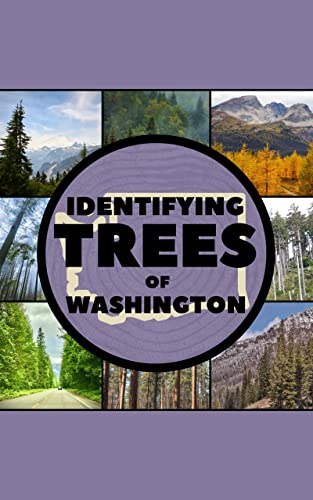
Identifying Trees of Washington
Dr. Moss

Joy Takes Root
Gwendolyn Wallace

Leafy Landmarks
Michael Schaub

Listen to the Language of the Trees
Tera Kelley

A Log’s Life
Wendy Pfeffer · Robin Brickman
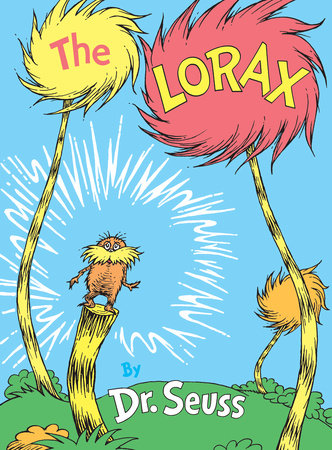
The Lorax
Dr. Seuss

The Magic & Mystery of Trees
Jen Green

The Magnificent Book of Trees
Tony Russell · Val Walerczuk · Simon Treadwell

Mama Miti: Wangari Maathai and the Trees of Kenya
Donna Jo Napoli

NGK- Trees
Patricia Daniels

Science Comics: Trees
Andy Hirsch
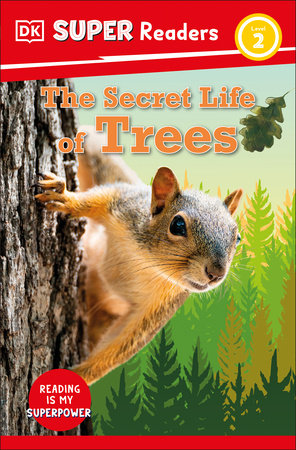
The Secret Life of Trees
DK Super Readers

Seeds of Change: Planting a Path to Peace
Jen Cullteron Johnson

The Seeking Tree
Jodi Dee

Tall Tall Tree
Anthony D. Fredericks · Chad Wallace
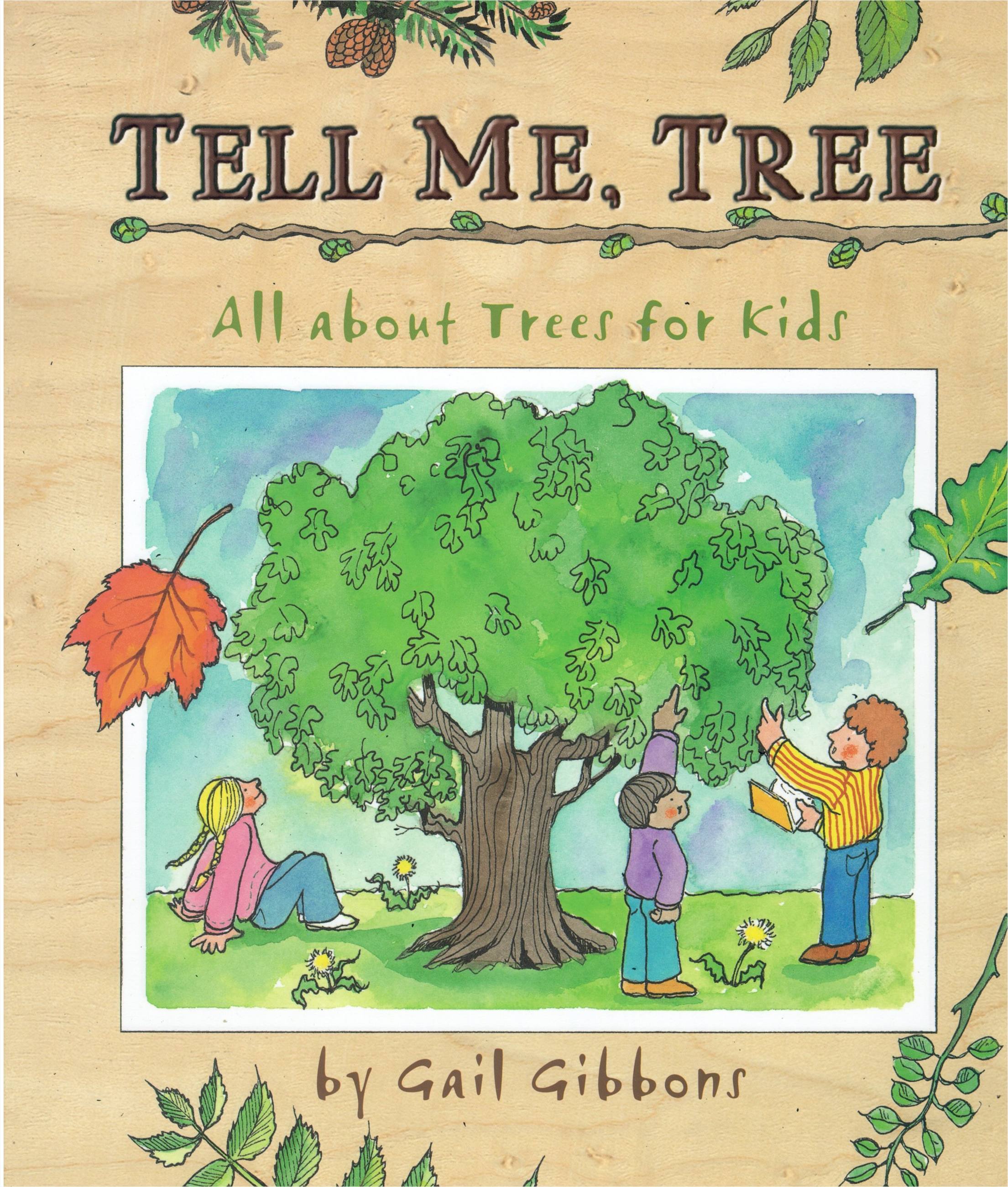
Tell Me, Tree
Gail Gibbons

Temperate Forests
John Woordward

TREE
Britta Teckentrup

The Tree Book
Illustrated by Hannah Alice

The Tree in Me
Corinna Luyken

The Tree Lady: The True Story of How One Tree-Loving Woman Changed a City Forever
Joseph Hopkins

Tree of Life
Nalini Nadkarni

Trees
Lisa Jane Gillespie

Trees, Leaves, and Bark
Diane L. Burns

Trees, Leaves, Flowers, & Seeds
Dr. Sarah Jose

Wangari Maathai: The Woman who planted millions of trees
Frank Prevot

Wangari's Trees of Peace
Jeanette Winter

Wester Trees of Western WA
Kevin W. Zobrist

The Wisdom of Trees
Lita Judge

The Wishtree
Katherine Applegate
No books match that search.
Try a shorter title, an author’s last name, or choose another topic.