❋
The Our-Trees Initiative
IndigenousCommunities
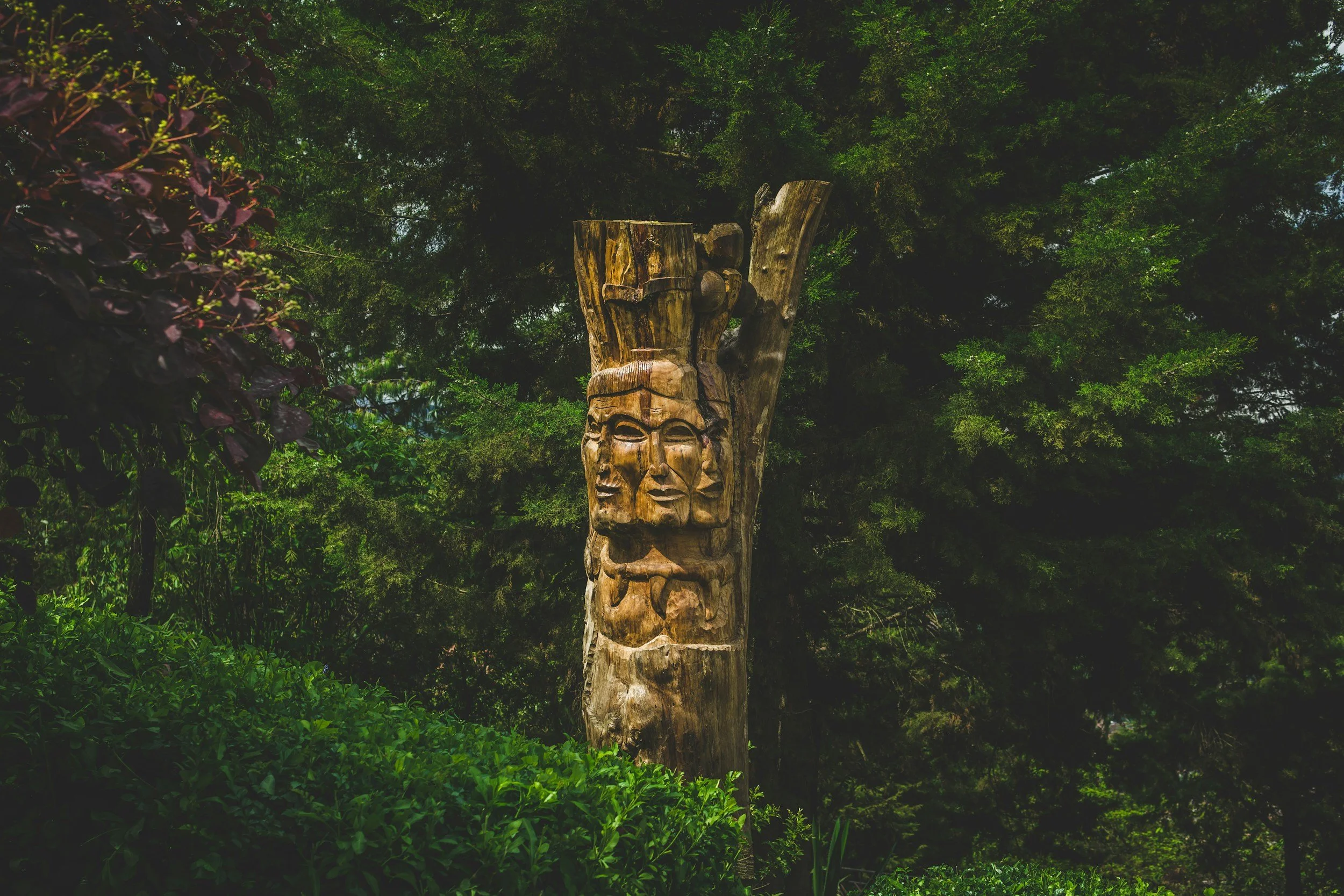
Trees carry knowledge, medicine, identity, responsibility, and relationship across generations.
About the node
Led by community
There is no single Indigenous relationship with trees. Relationships are specific to people, place, language, history, ceremony, ecological knowledge, and community authority.
TOUTI begins by listening: community partners decide what is taught, who leads, what is useful, and what should remain within the community.
Community authority
Local partners choose speakers, content, timing, activities, and what may be photographed, recorded, written, reviewed, or shared.
Ways of knowing
Tree relationships include medicine, protection, spirituality, food, materials, cultural continuity, ecological knowledge, and responsibilities to place.
Stewardship
Projects support youth learning, planting, gathering, care, ceremony support, or other actions when community partners identify them as useful.
2026 workplan & future possibilities
The 2026 workplan begins with White Mesa Ute youth and community relationships with trees and woody plants. Future possibilities include other Four Corners communities, the Haudenosaunee Confederacy and Tree of Peace, and Indigenous communities globally.
The community behind the project
White Mesa,
Utah
A’Nuche
Rooted in the White Mesa community, A’Nuche supports Anikanuchu Ute language, culture, identity, and ancestral lands.
Learn about A’nucheThe wider landscape
Bears Ears
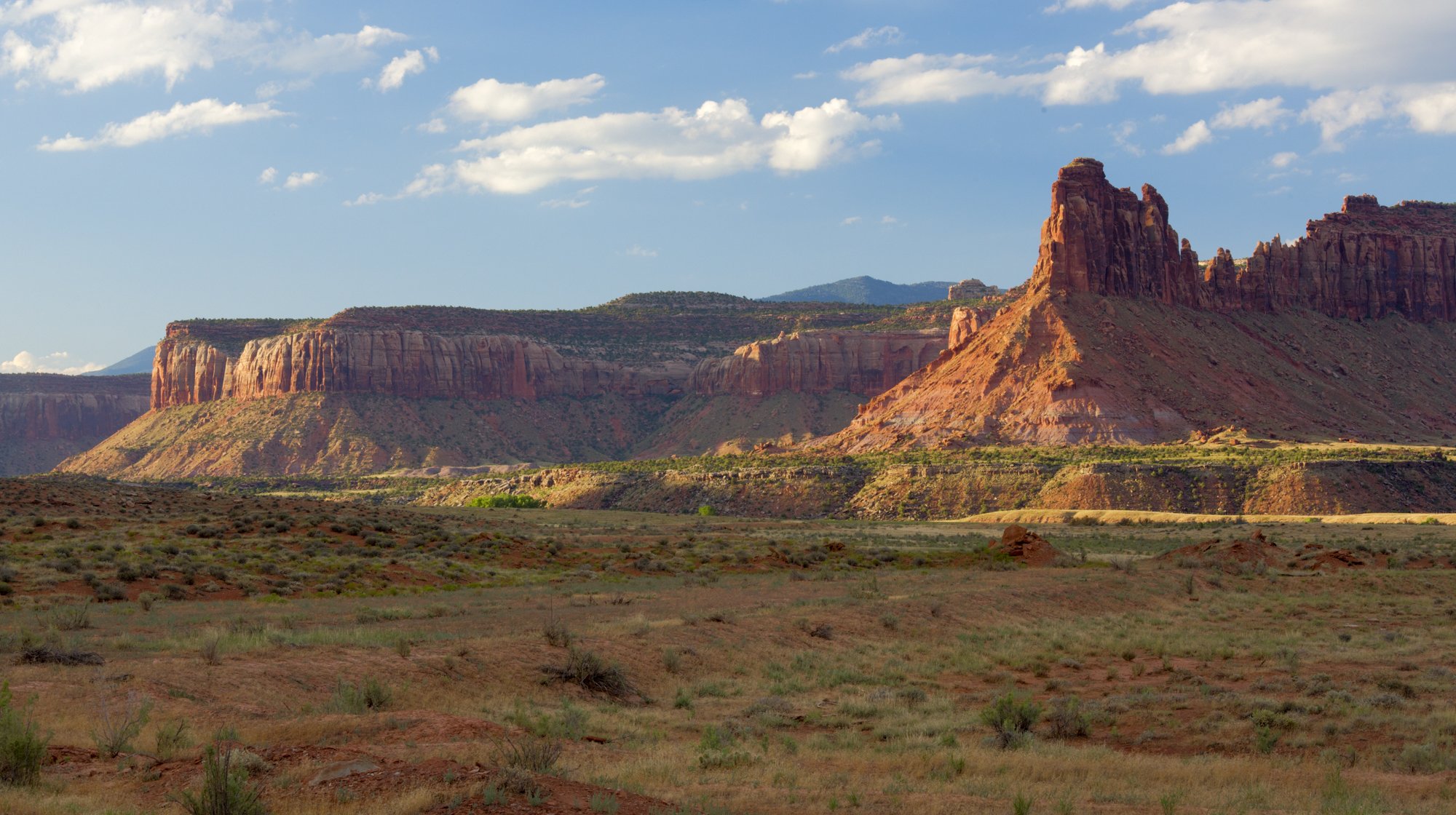
Trees, mesas, and the landmark twin buttes are part of the landscape surrounding this work.
The node begins with relationships to people, trees, and place, and with the priorities community partners choose.
White Mesa Bear Dance Grounds · October 6–7, 2026
Jack Cantsee Jr’s vision
Jack Cantsee Jr, the White Mesa Ute Bear Dance Chief, has seen that the native Utah Junipers that are being cut every year for ceremony by his work crew to create an arbor are not regenerating like they used to. His vision of having a living arbor around the Bear Dance Grounds (which has been 10 years in the making) has finally come to reality with the help of TreeUtah and other partners.
The White Mesa community members and youth planted juniper trees around the Bear Dance Grounds to continue the living circle of trees that was started in the spring. One tree was planted in the circle this spring to begin the project. The tree was part of the Worship Ceremony that was revived in the community by elders after decades of the ceremony not being practiced.
With all this community momentum, A’Nuche, TreeUtah, and TOUTI came together for the fall tree planting with TreeUtah facilitating.
The first tree
The first tree was planted in spring as part of the Worship Ceremony revived by community elders. It stood beside the arbor at the Bear Dance.
Planting photos
Watch the film
Tree planting
at White Mesa
Community members and youth plant junipers at the Bear Dance Grounds with A’Nuche, TreeUtah, and TOUTI.
White Mesa · July 22, 2026
Significance of Trees
in Our Culture
A’Nuche and Indigenous Led hosted a youth workshop at White Mesa. Young people learned about trees and woody plants through community teachings and hands-on activities.
Making bracelets with juniper berries and learning about cedar salve were part of the day.
Workshop photos
Youth reflections
“Trees are very sacred to Utes/Nuche.”
“Trees are with us spiritually too. Sometimes we can talk to them when we have troubles.”
“Trees know things about us we probably don’t even know.”
From youth responses collected after the workshop.
Meet the Node Curator
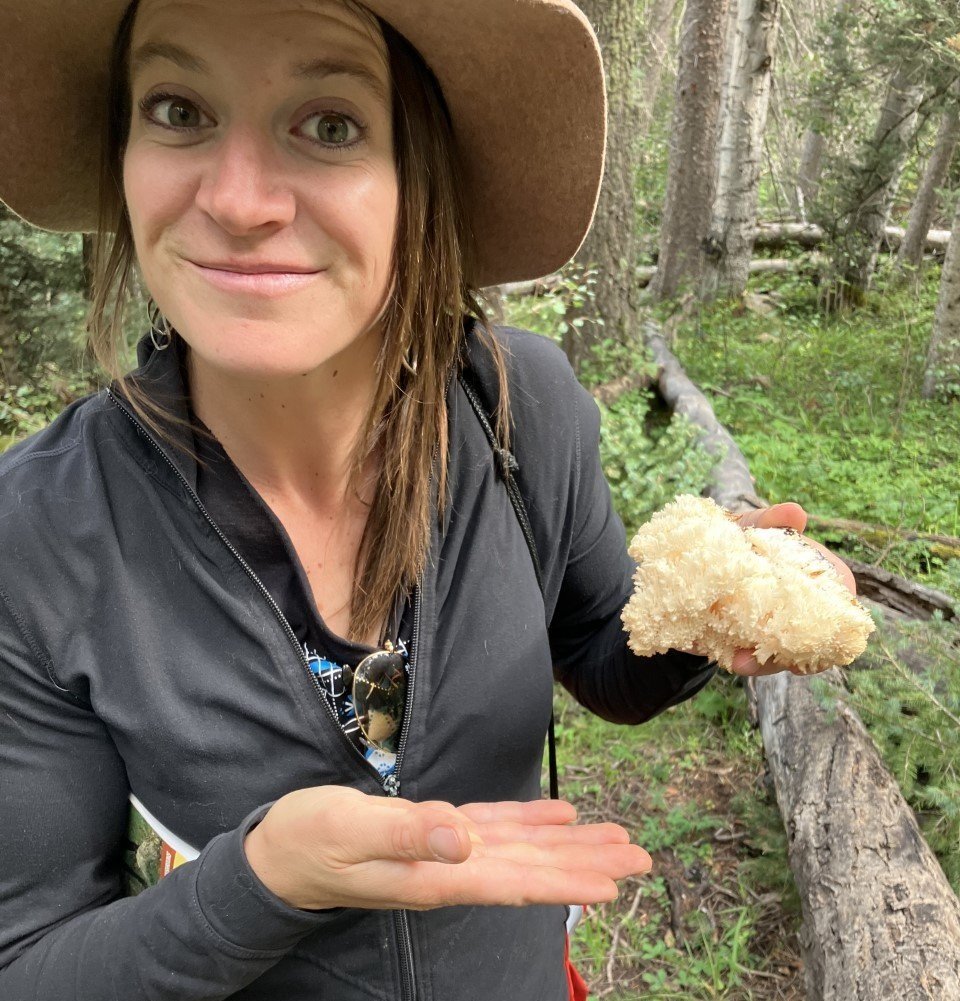
Kelsey Pazera
Kelsey Pazera has been working with trees and land-based projects supporting biocultural diversity for the last decade. She most recently worked with INDIGENOUS LED supporting gatherings, operations, and collaborations across the organization’s team and partners. She curates this TOUTI node in collaboration with community partners, non-profits, and the guidance of elders.
Explore the other TOUTI nodes
Indigenous Communities Node
About the node:
Trees and woody plants are deeply connected to Indigenous knowledge, place-based relationships, and cultural practice. This node highlights trees as relatives, teachers, sources of memory, and living parts of community life. Through youth learning, cultural knowledge sharing, and stewardship projects, the Indigenous Communities Node celebrates the many ways Indigenous communities relate to trees spiritually, medicinally, culturally, and ecologically.
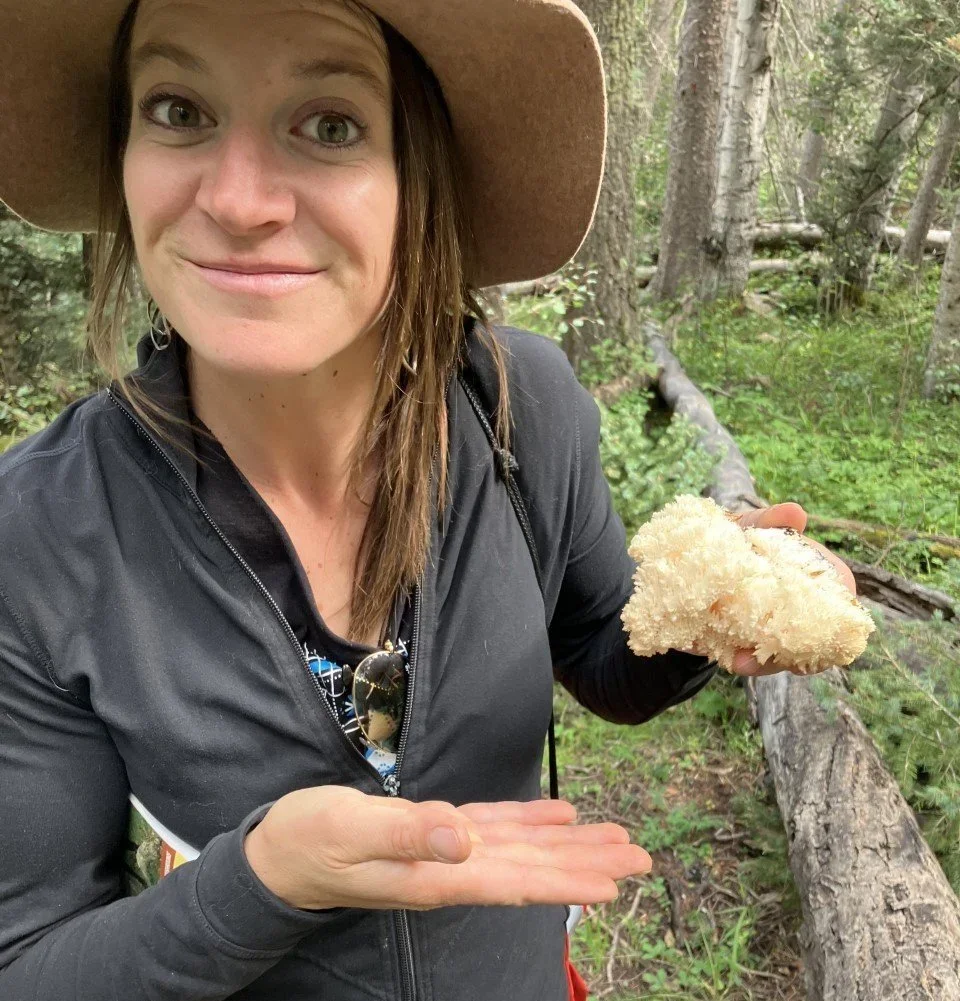
Meet the Node Curator: Kelsey Pazera
(In partnership with Indigenous Led and A’nuche)
Kelsey Pazera curates this node in partnership with Indigenous Led and A’nuche. Her work supports Indigenous-led programming around trees, woody plants, youth learning, cultural practices, and land-based knowledge.
Current Work
Youth Tree Wisdom Workshop
A hands-on learning experience for White Mesa Ute youth, bringing young people together with knowledge keepers to learn about trees, woody plants, cultural uses, and relationships with tree kin.
Bear Dance Arbor Cedar Planting Project
A community-rooted stewardship effort exploring a living arbor connected to Bear Dance grounds and the conservation of culturally important trees.
Tree-Centered Cultural Practice
This node supports continued community connection with tree relatives through cultural knowledge, ceremony, and intergenerational learning.